Crucial Devices and Techniques for Reliable Lead Offense Cleaning
Dealing with lead infractions successfully demands a comprehensive technique that blends the right devices with tactical techniques. The initial step entails furnishing employees with Personal Safety Tools (PPE) to safeguard their health. Simultaneously, the usage of specialized cleaning tools, such as HEPA vacuum cleaners and lead-specific cleansing agents, is crucial for complete pollutant elimination. Effective containment approaches, including plastic bed linen and unfavorable air pressure systems, are essential to protect against the spread of unsafe materials. Furthermore, secure disposal methods and strict adherence to regulative guidelines make certain accountable handling of toxic waste. What are the nuanced techniques that absolutely make a difference?
Individual Safety Tools
Personal protective equipment (PPE) is an essential part in the reliable monitoring of lead contamination cleaning. The crucial PPE for lead cleaning consists of respirators, protective clothes, gloves, and eye protection.
Respirators, specifically those furnished with HEPA filters, are important for filtering air-borne lead bits, stopping inhalation. Safety garments, including coveralls and non reusable fits, prevents lead dust from sticking to workers' garments, reducing the danger of secondary contamination.
Moreover, strenuous training on the right usage and maintenance of PPE is essential. Employees must be informed on donning and doffing treatments to prevent contamination. Normal evaluations and substitutes of PPE components are essential to keep their safety abilities, making certain a risk-free and certified cleanup operation.
Specialized Cleaning Tools

An additional vital device is the wet/dry vacuum, which can efficiently tidy up both dust and liquid pollutants. These vacuum cleaners frequently feature HEPA filters to provide an extra layer of safety. Damp cleans or tack cloths are also vital for surface area cleaning; they are particularly designed to record and hold lead particles, decreasing the danger of spreading out contamination.
For even more persistent deposits, specialized lead-removal cleansing agents are required. These agents are developed to break down lead bits, making them less complicated to get rid of. Scrub brushes with tough bristles can assist in this process, particularly on rough surfaces where lead dirt often tends to adhere extra strongly.
Additionally, encapsulants are used to seal lead-contaminated surface areas, preventing the launch of lead dirt. These specialized paints and layers are designed to comply with various substratums, giving a lasting service for lead control.
Reliable Control Techniques
Effective control techniques are essential in mitigating the spread of lead contamination throughout clean-up tasks. Carrying out durable control methods makes sure that lead bits do not move to unaffected locations, therefore shielding both workers and the environment (DOH & HPD Lead Violation Removal NYC).

To improve control, encapsulants can be related to surfaces that are not being gotten rid of or disrupted. These specialized coatings bind lead dirt, decreasing its accessibility for resuspension. Additionally, all workers must put on suitable Individual Protective Devices (PPE), consisting of respirators and disposable matches, to stop contamination spread.
Safe Disposal Practices
Ensuring risk-free disposal methods is a critical part in the monitoring of lead contamination clean-up. Correct disposal mitigates the threat of lead re-entering the setting and jeopardizing public health and wellness (DOH & HPD Lead Violation Removal NYC).
Transporting lead waste calls for adherence to strict standards. Using licensed harmful waste providers ensures that the materials are taken care of sensibly. Paperwork, consisting of materializes outlining the type and amount of waste, ought to go along with shipments to track the waste from the website of origin to its last disposal destination.
Designated contaminated materials disposal centers are geared up to handle lead-contaminated products safely. These centers often employ sophisticated approaches such as stabilization, solidification, or chemical therapy to reduce the effects of the lead prior to disposal. Landfilling in specialized, lined areas that stop leachate from infecting groundwater is a common technique for final disposal.
Routine training for employees associated with lead garbage disposal is critical to keep security criteria and stop unintended direct exposure. By sticking to these techniques, organizations can significantly lower the ecological and health and wellness impacts associated with lead contamination.
Regulatory Compliance Tips
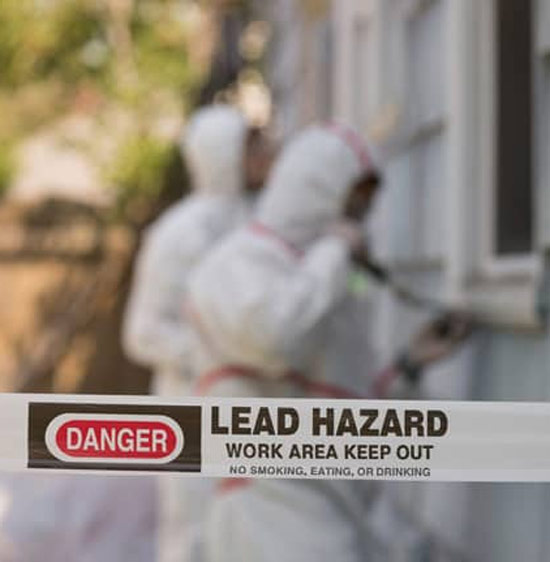
Following regulatory compliance is extremely important in the effective implementation of lead contamination cleaning. Comprehending and complying with federal, state, and local policies ensures not just the safety and security and health and wellness of people but likewise the legal read this and financial well-being of the cleaning company. The Epa (EPA) establishes stringent requirements, such as the Lead Remodelling, Repair, and Paint (RRP) Guideline, which mandates appropriate certification and training for contractors taking care of lead-based tasks.
Conformity begins with a detailed evaluation of suitable legislations and guidelines. Organizations has to remain updated on any kind Click Here of legislative adjustments, which can be assisted in via routine training sessions and signing up for industry updates. Documents is an additional crucial conformity element; keeping thorough documents of all activities, including inspection reports, worker training logs, and disposal materializes, is necessary.
In addition, engaging with accredited lead examiners or run the risk of assessors makes certain that lead threats are appropriately identified and reduced. Employers must impose making use of Personal Protective Equipment (PPE) and ensure that security methods are strictly complied with. Clear communication with stakeholders, consisting of workers, clients, and governing bodies, will cultivate a society of compliance and accountability, ultimately adding to a much safer and a lot more reliable lead cleaning procedure.
Verdict
Reliable lead offense cleanup demands the combination of specialized devices and calculated techniques to guarantee security and efficiency. Using HEPA vacuums, specialized cleansing agents, and effective control techniques such as plastic sheet and unfavorable atmospheric pressure systems is necessary. Individual protective equipment (PPE) safeguards see here workers from direct exposure, while secure disposal methods and rigorous adherence to governing conformity are important for properly taking care of contaminated materials. Collectively, these measures dramatically minimize health and wellness dangers and add to a cleaner atmosphere.